Key takeaways
- Regulation FD mandates that all material information must be released to the public simultaneously to ensure a level playing field.
- The NYSE and Nasdaq require companies to provide 10-minute advance notice for material news released during or just before market hours.
- Volatility thresholds (LULD bands) are doubled to 10% or 20% during the first 15 minutes of trading to accommodate intense price discovery.
Understanding Market Open Volatility and Price Discovery
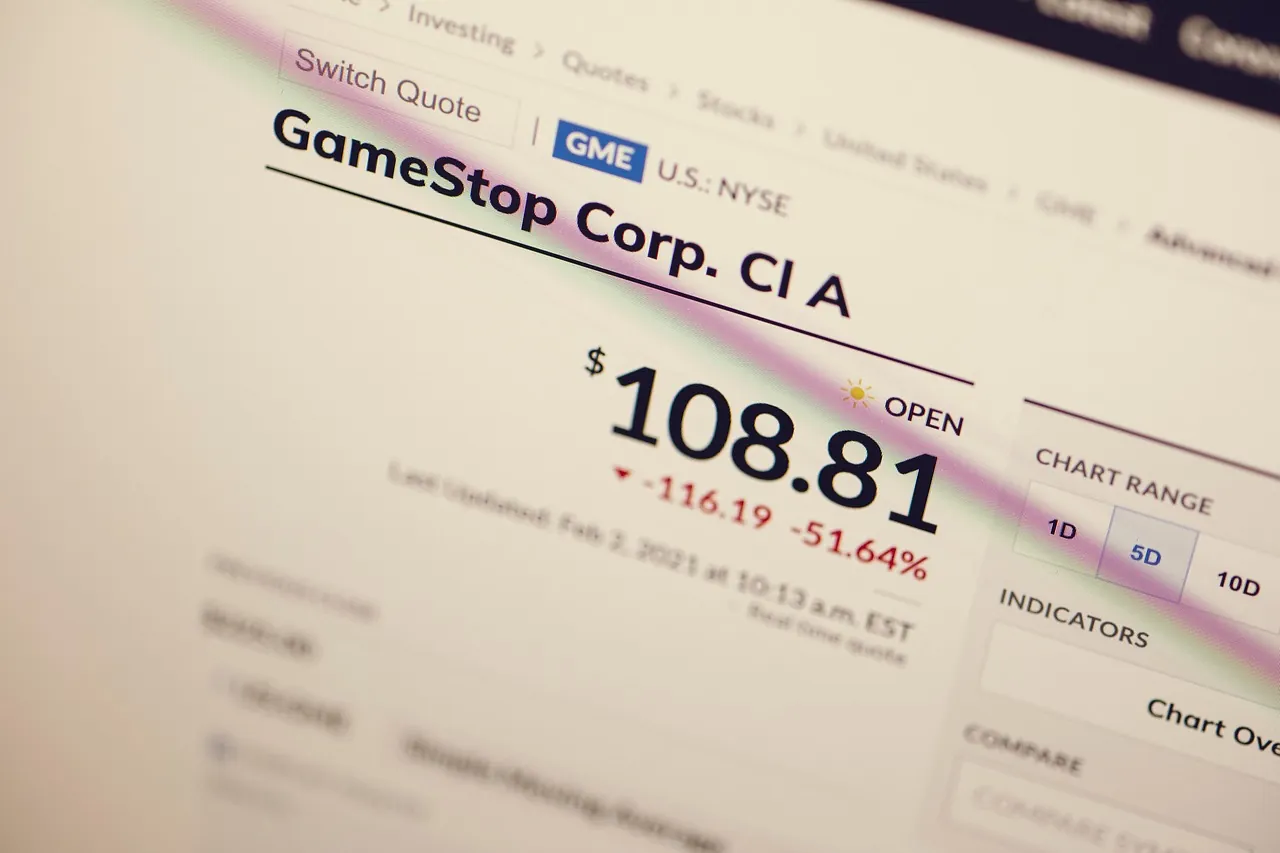
Market open volatility is a structural feature of the United States stock market, representing the period between 9:30 a.m. and 10:00 a.m. ET where trading activity reaches its daily peak. This intensity is primarily the result of 'price discovery,' a process where buyers and sellers work to find an equilibrium price for a stock after new information has entered the market. Unlike the pre-market session, which often suffers from low liquidity and wide spreads, the market open aggregates orders from institutional and retail investors alike. Because many significant corporate events—such as earnings reports, executive changes, or legal settlements—occur while the market is closed, the 9:30 a.m. bell acts as a dam breaking. The sudden influx of orders creates a high-pressure environment where prices can swing wildly as the market corrects for 'overnight risk.' For retail investors, recognizing that the first half-hour of trading is fundamentally different from the rest of the day is the first step in avoiding the risks associated with rapid price shifts. Real-time tools like ALFA Finder can assist in identifying the specific SEC filings that trigger these shifts, allowing traders to see the source of the movement before the auction even begins.
The Legal Framework: Regulation FD and Form 8-K Disclosure
The timing of corporate news is strictly governed by the Securities and Exchange Commission (SEC) to prevent insider trading and ensure fairness. Regulation FD (Fair Disclosure), codified under 17 CFR § 243.100, is the primary rule that prevents companies from sharing material, non-public information with select individuals, such as large institutional investors or analysts, before the general public. If a company discloses material news intentionally, it must do so simultaneously to the entire market. If the disclosure was unintentional, the company must release that information 'promptly,' which is defined as within 24 hours or by the start of the next trading session. To fulfill these requirements, companies use the SEC's EDGAR system to file a Form 8-K, which is known as a 'Current Report.' While companies generally have up to four business days to file an 8-K after a triggering event, the mandates of Regulation FD usually force an immediate press release or filing if the news is market-moving. This regulatory environment ensures that when you see a stock gap up or down at 9:30 a.m., the underlying information was made available to all market participants at the same time, though the speed at which that information is processed varies widely.
Want this tracked for you?
ALFA Finder watches every SEC filing 24/7 and alerts you the moment one matters.
Structural Causes of Market Open Volatility in the First 30 Minutes
A common misconception among retail traders is that market open volatility is caused solely by an uncoordinated rush of individual investors. In reality, much of the volatility is institutional and algorithmic, driven by the NYSE Opening Auction and the Nasdaq Opening Cross. These are centralized mechanisms that take place at exactly 9:30 a.m. ET to match all buy and sell orders that accumulated overnight into a single opening price. The exchanges release 'imbalance data' in the minutes leading up to the open, signaling whether there is more buying or selling interest at certain price levels. High-frequency trading (HFT) algorithms and market makers use this data to adjust their positions, which can lead to rapid price adjustments immediately after the first trades are executed. Furthermore, the first 15 minutes of the day (9:30 a.m. to 9:45 a.m. ET) are specifically designated by the Limit Up-Limit Down (LULD) National Market System Plan as a period of 'double bands.' This means the mathematical price limits that trigger a trading halt are widened to 10% for Tier 1 stocks and 20% for Tier 2 stocks, acknowledging that the initial price discovery process requires more 'room to move' than the middle of the trading day.
Key Regulatory Limits and Volatility Thresholds
| Feature | Standard Market Hours | Market Open Window (9:30–9:45 AM ET) |
|---|---|---|
| LULD Price Bands (Tier 1 Stocks) | 5% | 10% (Doubled) |
| LULD Price Bands (Tier 2 Stocks) | 10% | 20% (Doubled) |
| Exchange Notification Rule | 10 Minutes Prior (7 AM - 4 PM) | 10 Minutes Prior (or before 6:50 AM) |
| Market-Wide Circuit Breaker (L1) | 7% S&P 500 Decline | 7% S&P 500 Decline |
Exchange Notification Protocols and the 10-Minute Rule
Both the New York Stock Exchange (NYSE) and Nasdaq have internal rules designed to manage how material news impacts the market. Under NYSE Listed Company Manual Section 202.05 and 202.06, companies are required to notify the exchange's surveillance department at least 10 minutes before releasing material news between 7:00 a.m. and 4:00 p.m. ET. Nasdaq follows a similar protocol under Rule 5250, requiring 10 minutes of notice for news released between 7:00 a.m. and 8:00 p.m. ET. If the news is released outside these hours, companies must notify the exchange before 6:50 a.m. ET. This notice allows exchange officials to determine if a 'regulatory halt' is necessary. A halt may be called if the news is so significant that it would cause an immediate and chaotic collapse in the price discovery process. These halts are not manual interventions by the SEC, but rather algorithmic protections designed to allow investors time to digest the news and for market makers to recalibrate their bid-ask spreads. When the halt is lifted, the stock often resumes with a 're-opening auction,' which can itself contribute to a second wave of market open volatility as the backlogged orders finally meet the market.
Significant SEC Form 8-K Items to Monitor
- Item 1.05: Material Cybersecurity Incidents - A new requirement (effective Dec 2023) for companies to report breaches within 4 business days.
- Item 2.02: Results of Operations and Financial Condition - This is where earnings releases are officially filed with the SEC.
- Item 5.02: Departure or Election of Directors/Officers - Significant management changes that often impact investor confidence.
- Item 7.01: Regulation FD Disclosure - Used for slides or information shared at conferences that must be made public.
- Item 8.01: Other Events - A catch-all for any material news the company deems important for the investing public.
- Item 1.01: Entry into a Material Definitive Agreement - Often used to disclose major contracts, acquisitions, or partnerships.
Modern Shifts: T+1 Settlement and 23/5 Trading Implementation
The landscape of market open volatility is currently undergoing its most significant change in decades. On May 28, 2024, the SEC officially moved the US stock market to a T+1 settlement cycle (one business day) from the previous T+2 standard. This change, mandated by SEC Release No. 34-96930, reduces the time between a trade execution and the actual transfer of ownership and cash. For market participants, T+1 means that market makers and clearinghouses have less 'buffer time' to manage the credit and liquidity risks associated with massive overnight price gaps. This can lead to tighter liquidity at the open as firms prioritize risk management. Furthermore, the SEC approved proposals in 2024 to expand trading on certain exchanges to 23 hours a day, with a planned implementation for late 2026. This move toward 23/5 trading aims to eliminate the 'overnight' period entirely for many stocks, potentially smoothing out the market open volatility by allowing price discovery to happen continuously as news breaks, rather than bottling it up for a 9:30 a.m. release. However, until this expansion is fully realized, the morning auction remains the most critical liquidity event for US equities.
How to Analyze an SEC Filing Before the Market Open
- Identify the filing type on EDGAR or through a real-time service like ALFA Finder. Look specifically for Form 8-K filings released between 4:00 p.m. and 9:00 a.m. ET.
- Locate the specific Item number in the 8-K. An Item 2.02 filing usually indicates financial results, while an Item 1.05 suggests a cybersecurity issue.
- Check for a 'Press Release' exhibit (usually Exhibit 99.1). This often contains a narrative summary that is easier to digest than the legal language of the filing.
- Compare the overnight price action in the pre-market to the filing's content. If the stock has not moved significantly despite material news, the market open volatility may be higher as institutional volume enters.
- Monitor the LULD bands during the first 15 minutes of trading. If the stock approaches a 10% or 20% move, be prepared for a potential 5-minute volatility halt.
Conclusion: Navigating the Morning Price Swings
Navigating market open volatility requires a balance of regulatory knowledge and structural awareness. For retail investors, the most dangerous period is often the first few minutes after the bell when the opening auction has concluded but the continuous market has not yet established a stable bid-ask spread. By understanding Regulation FD, the '10-minute rule' for exchange notifications, and the doubling of LULD price bands, investors can move from being reactive to being informed. The transition to T+1 settlement has already accelerated the pace of the market, and the impending shift toward 23-hour trading suggests that the 'opening bell' as we know it may eventually transform. Until then, the period from 9:30 a.m. to 10:00 a.m. remains the primary arena where overnight news is priced into the American economy. Successful participation in this window requires a focus on verified SEC filings rather than social media sentiment, ensuring that your trading decisions are based on the same official data used by institutional professionals.
Frequently asked questions
Why is the stock market so volatile in the first 30 minutes?
The market open is volatile because it is the primary time when the 'opening auction' aggregates all orders placed overnight. This period allows the market to digest news that broke while the exchange was closed, leading to rapid price discovery as liquidity providers and algorithms rebalance their positions.
What are LULD price bands and how do they work at the open?
Limit Up-Limit Down (LULD) bands are price corridors that prevent stocks from trading outside of a specific percentage range. During the first 15 minutes of the day (9:30–9:45 a.m. ET), these bands are doubled (10% for S&P 500 stocks and 20% for others) to accommodate the higher volatility typical of the market open.
Does Regulation FD require companies to file an 8-K immediately?
Regulation FD requires that material information be shared with the public simultaneously. While the technical deadline for a Form 8-K is four business days, companies almost always issue a press release or filing immediately if the news is material and being shared with any outside party to avoid violating SEC rules.
How does T+1 settlement affect the market open?
The move to T+1 settlement on May 28, 2024, shortened the time for clearing and settling trades to one business day. This reduces systemic risk but also requires market makers to manage their liquidity more tightly, which can influence how they provide quotes during the volatile first 30 minutes of trading.
Educational and informational content only — not investment advice. ALFA Finder is not a registered investment adviser. Check figures against the original SEC filing before acting on them.